October 20, 2026
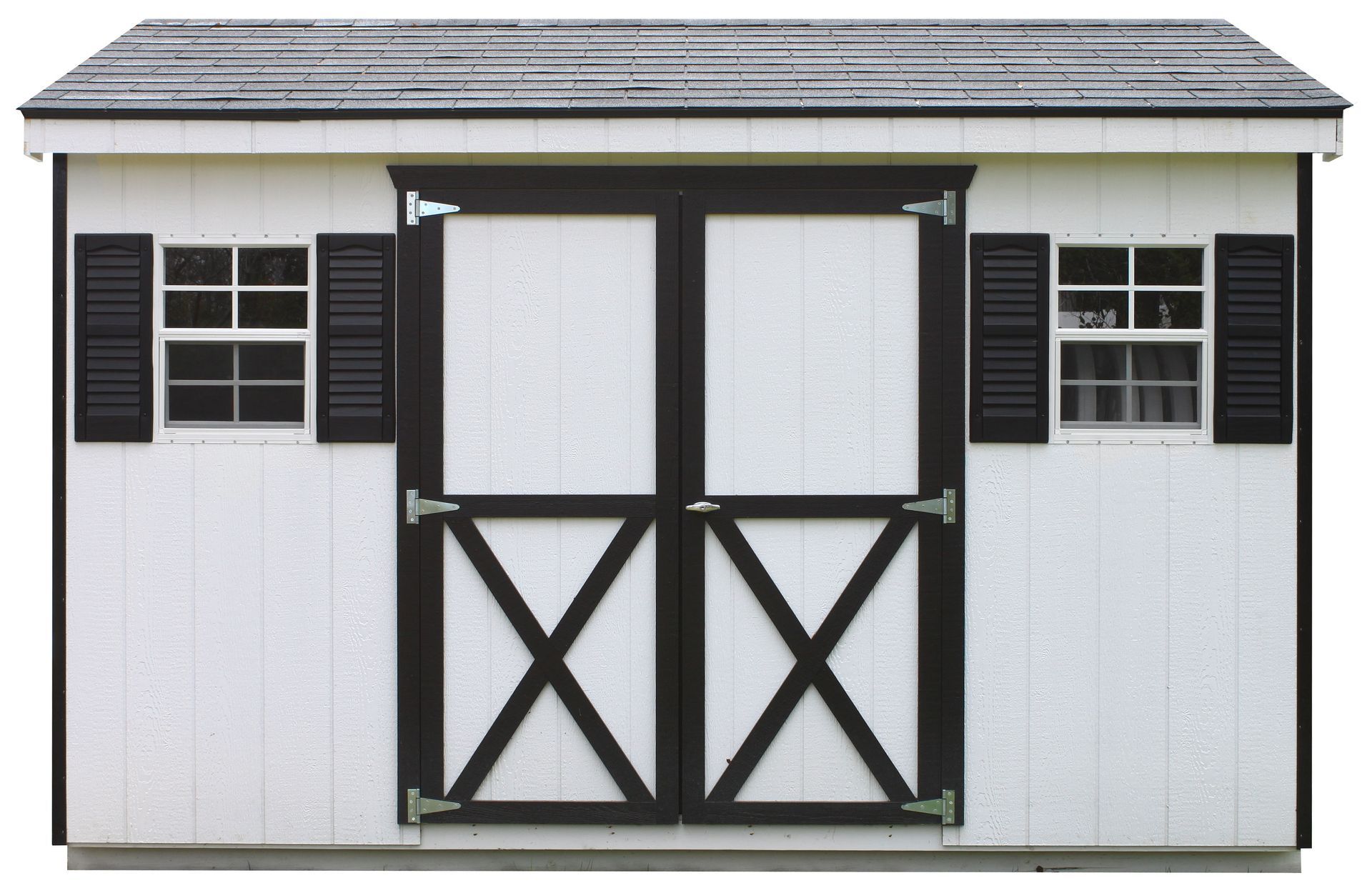
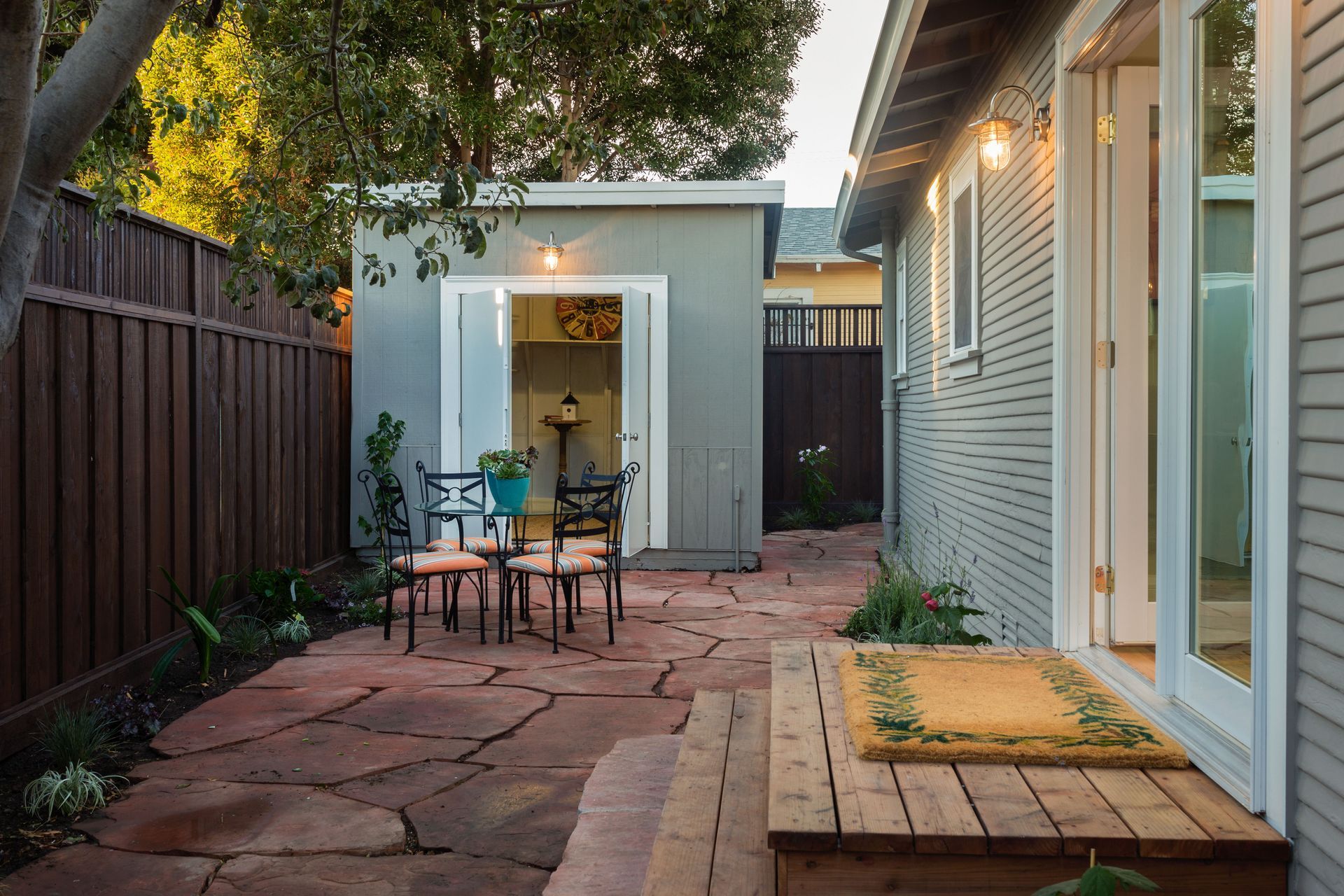
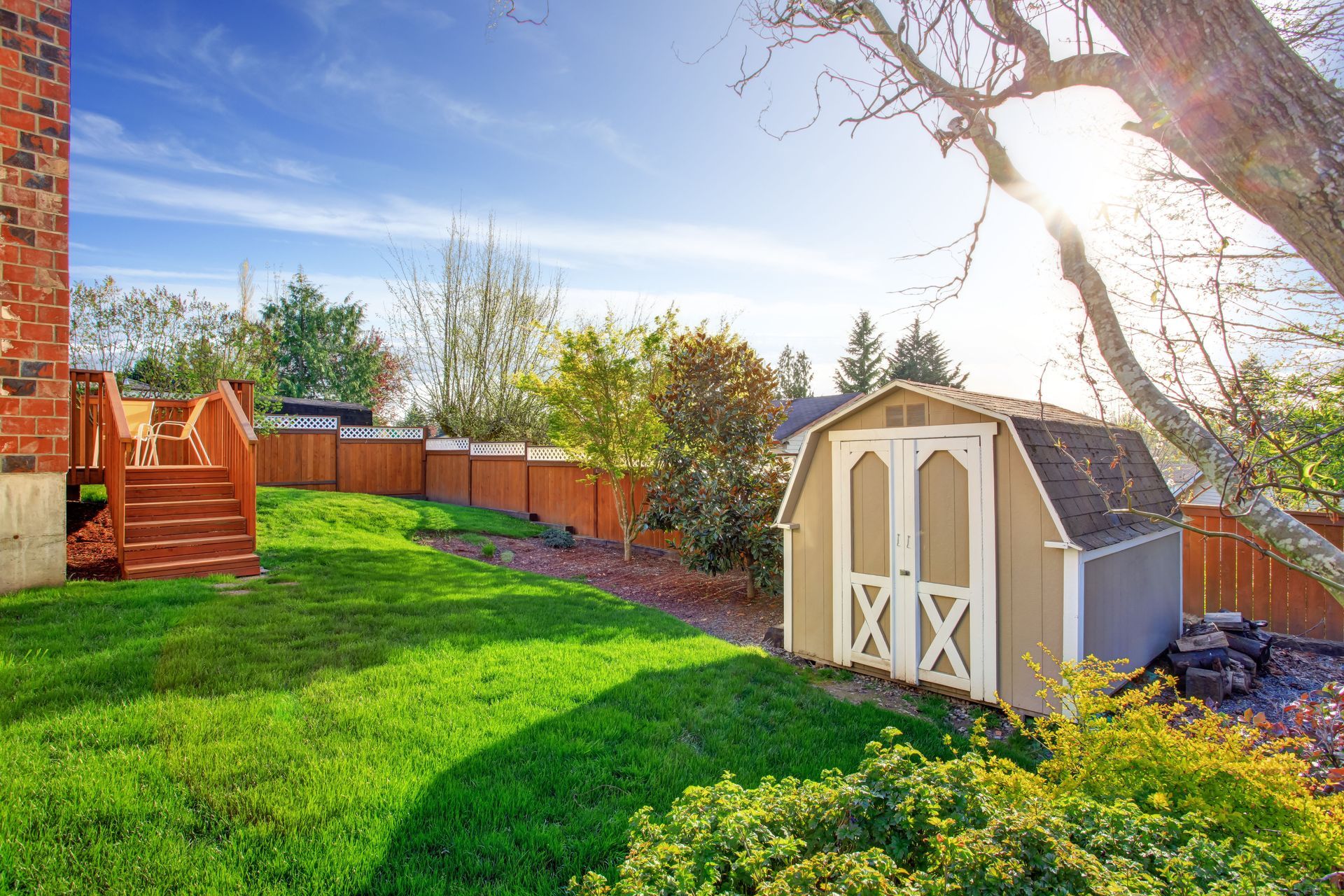
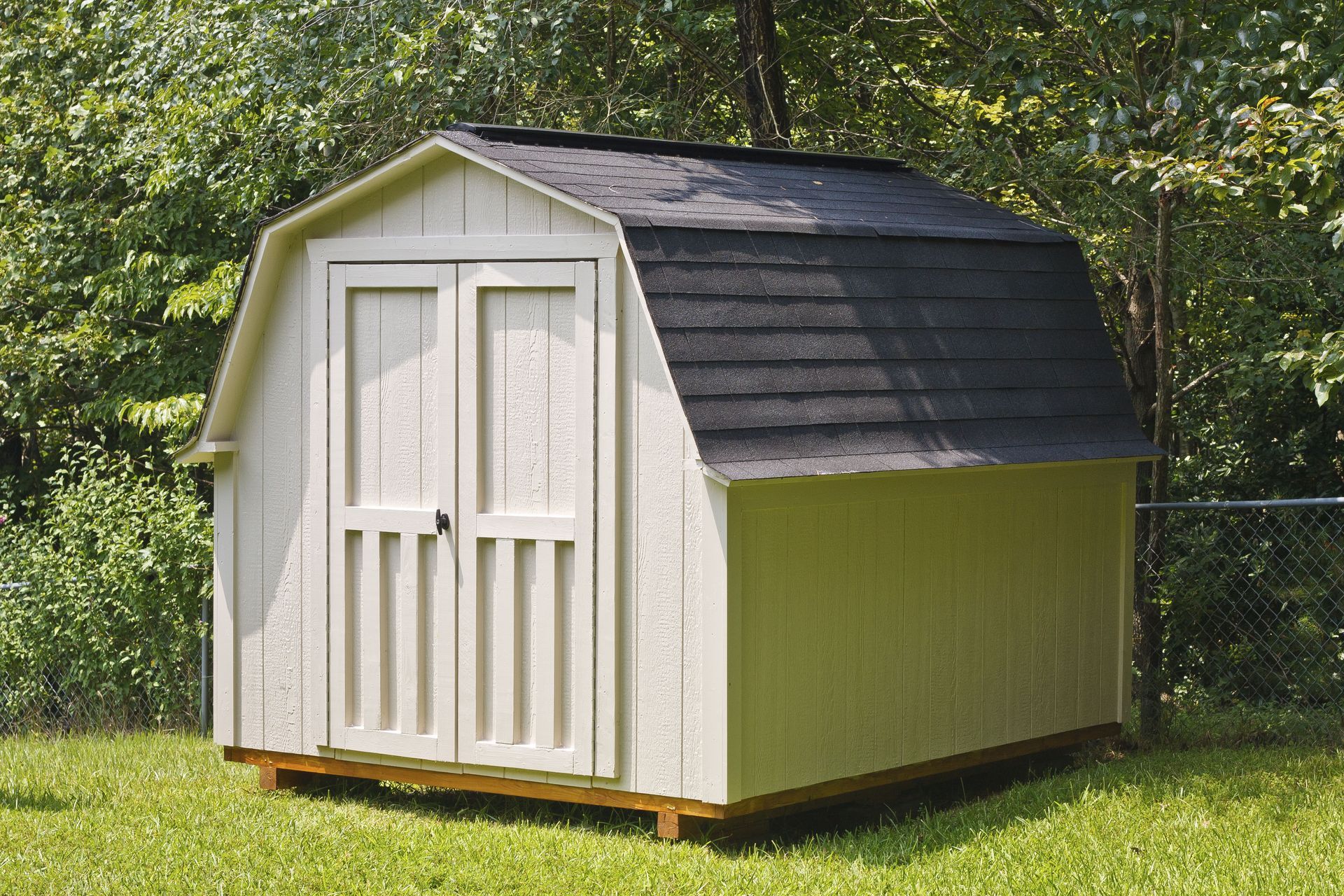
Finding the right storage solution can make a significant difference in keeping a property organized and protecting valuable belongings. Whether you need extra room for gardening equipment, seasonal decorations, lawn care tools, or outdoor furniture, a portable storage shed offers a convenient way to expand your storage capacity without committing to a permanent structure. These sheds are available in various materials, sizes, and designs, making it easier to find an option that suits your property and budget.
However, not all storage sheds offer the same level of quality. Durability, mobility, weather resistance, and overall functionality can vary considerably between models. Understanding these differences helps homeowners evaluate their options and avoid purchasing a structure that falls short of their expectations. By considering several essential factors before buying, you can choose a
portable storage shed that provides dependable performance, practical convenience, and long-term value.
What Materials Are Best for Portable Storage Sheds?
The materials used to construct a storage shed influence its durability, maintenance requirements, appearance, and cost. Wood, metal, and resin are among the most common options, and each offers advantages depending on how the structure will be used.
Wooden sheds appeal to homeowners who want a traditional appearance that complements their landscaping. They can be painted or stained to match a property's exterior and customized with shelving, workbenches, and other accessories. However, wood generally requires periodic maintenance to protect against moisture, rot, insects, and weather-related deterioration. Proper sealing and routine inspections are particularly important in regions that experience heavy precipitation or significant seasonal changes.
Metal sheds, typically constructed from galvanized steel or aluminum, offer another option. Steel can provide substantial strength, while aluminum resists rust and is relatively lightweight. Metal structures often require less maintenance than wood, although protective coatings, fasteners, and joints should be inspected for corrosion or damage. Buyers should also consider insulation and ventilation, since metal interiors can experience temperature fluctuations and condensation.
Resin and other plastic-based sheds are popular for their lightweight construction and low maintenance requirements. Many resist moisture, rust, and insect damage without needing paint or specialized treatments. However, their strength varies by design, and some lightweight models may be less suitable for demanding weather conditions.
How Does the Portability of a Shed Affect Its Suitability?
Portability is one of the main advantages of these structures, but the term can describe several different designs. Some sheds arrive in kits that homeowners assemble on-site, while others are delivered as prefabricated units. Certain models can be relocated relatively easily, whereas larger structures may require specialized equipment or professional assistance.
Before purchasing, determine how the shed will reach its intended location. Check the dimensions of gates, pathways, driveways, and other access points to ensure delivery or assembly will be practical. If the structure arrives in sections, confirm that the components can be transported through narrow spaces and that the assembly instructions are clear.
The construction method also affects future mobility. A shed designed to be disassembled and moved may suit homeowners who anticipate relocating or redesigning their property. However, moving a fully assembled structure can be difficult, especially if it contains heavy equipment or has been anchored to a foundation.
Site preparation remains important even when a shed is marketed as portable.
What Size Should My Portable Storage Shed Be?
Selecting the right size starts with identifying what you plan to store. A compact shed may provide enough room for gardening tools, small equipment, and seasonal supplies, while a larger model may be necessary for riding lawn mowers, bicycles, outdoor furniture, or workshop materials.
Create an inventory of the items you expect to store and consider their dimensions. Equipment with long handles, bulky packaging, or wide turning requirements may need more space than its footprint initially suggests. Doors should be wide and tall enough to accommodate the largest items, and the interior should allow you to retrieve belongings without constantly rearranging everything.
Available property space is another important consideration. Measure the proposed installation area and account for door clearance, access paths, drainage, and any recommended separation from fences or buildings. Check local zoning requirements before settling on a location or size.
According to This Old House, smaller sheds measuring approximately 100 square feet may not require a building permit, although zoning rules could still impose requirements. This is a general guideline rather than a universal exemption, so homeowners should verify current regulations with their local building or zoning department before purchasing or installing a shed.
What Features Enhance the Functionality of a Portable Storage Shed?
A shed's usefulness depends on more than its size and construction. Features that improve organization, security, and protection from the elements can make daily use considerably easier.
Ventilation is an important consideration, particularly when storing lawn equipment, gardening supplies, or items susceptible to moisture damage. Proper airflow helps reduce condensation and stale air. Some designs include built-in vents, while others allow ventilation accessories to be installed separately. Keep in mind that ventilation does not eliminate the need to address leaks or excessive humidity.
Weather resistance is equally important. Examine the roof design, door seals, wall joints, and drainage provisions to determine how effectively the structure can protect its contents. A sloped roof helps direct rainwater away from the interior, while durable roofing materials can improve performance during harsh weather. In areas that receive substantial snowfall, check the manufacturer's stated snow-load capacity rather than assuming every model can handle accumulated snow.
How Do I Maintain and Care for My Portable Storage Shed?
Routine maintenance helps preserve a shed's appearance, structural integrity, and ability to protect stored items. The amount of care required depends largely on the construction material, local climate, and frequency of use.
Start by inspecting the structure periodically, particularly after severe weather. Look for loose fasteners, damaged panels, roof deterioration, leaking joints, and doors that no longer open or close properly. Addressing small problems early can prevent more extensive repairs later.
Cleaning requirements vary by material. Resin sheds can generally be washed with mild soap and water, while metal structures may need occasional attention to scratches or areas where protective coatings have worn away. Wooden sheds may require cleaning, repainting, or resealing to maintain their resistance to moisture. Always follow the manufacturer's cleaning and maintenance recommendations.
Keep the surrounding area clear of leaves, branches, and other debris that could interfere with drainage or trap moisture against the walls. Check that gutters, if installed, remain unobstructed and direct water away from the structure. Maintaining a level foundation and watching for soil erosion can also help prevent shifting over time.
Interior care matters, too. Store chemicals and fuels according to their safety labels, avoid placing damp belongings directly against walls, and remove clutter that restricts airflow. Heavy items should be positioned appropriately to avoid overloading shelves or creating uneven stress on the floor.
By evaluating these factors alongside your property's layout, local regulations, and storage needs, you can identify a structure that offers practical functionality and lasting value. Taking time to compare construction details and installation requirements before buying can help prevent costly mistakes. With the right selection and consistent care, a well-built storage shed can provide a dependable, flexible solution for keeping outdoor equipment and household belongings protected and organized. If you're looking for a portable storage shed, reach out to Red Cedar Portable Buildings - Old Hickory Buildings today!